#GCE2027
Global Conference on Education for a Sustainable FutureEducation Beyond 2030 – Let's Make It Happen Second Edition • United Nations Conference Centre, Bangkok
Event Dates
3–4 March 2027
Premier Venue
UNCC Bangkok, Thailand
Thematic Focus
SDG 4: Quality Education
Convening Body
SDC (UN ECOSOC Status)
The Imperative of Education Beyond the 2030 Horizon
Education is fundamental to human development, social progress, economic transformation, and the creation of sustainable societies. It empowers individuals, strengthens communities, promotes equality, and equips generations to address complex global challenges.
Access Alone Is Insufficient: Addressing Persistent Inequalities
Over the past decades, the international community has made historic progress in recognizing education as a fundamental human right and a critical driver of the United Nations 2030 Agenda through Sustainable Development Goal 4 (SDG 4).
However, as the world approaches 2030, substantial structural challenges persist: educational inequalities, unequal access to quality learning, acute learning poverty, inadequate physical and digital infrastructure, global teacher shortages, severe financing gaps, and a widening technological divide.
The Defining Global Question
GCESF 2027 Core Inquiry"What should education look like beyond 2030, and how can we begin building that future today?"
The transition beyond 2030 presents a historic window to rethink the purpose, structure, delivery, and governance of education. It requires renewed international cooperation, multi-stakeholder partnerships, responsible technological integration, and active participation by children and youth.
Five Fundamental Educational Transitions
GCESF 2027 will guide institutions from conventional paradigms toward future-ready learning ecosystems:
Access Alone
Meaningful Learning
Ensuring educational participation translates directly into quality learning, foundational competencies, and lifelong opportunities.
Traditional Classrooms
Future-Ready Learning
Integrating responsible innovation, ethical artificial intelligence, digital competencies, and agile lifelong learning.
Fragmented Silos
Inclusive Ecosystems
Connecting schools, universities, governments, civil society, technology partners, and grassroots communities into resilient support networks.
Passive Awareness
Sustainability Action
Embedding climate literacy, biodiversity, circular economy principles, and green campus governance into everyday practice.
Global Commitments
Measurable Impact
Translating international declarations into practical policies, sustainable financing mechanisms, and verified local outcomes.
Education Beyond 2030 – Let's Make It Happen
The year 2030 must not be viewed as the finish line of the global education journey. It is a milestone and springboard toward a more ambitious, equitable, and transformative future.
"To contribute to the transformation of global education systems into inclusive, equitable, innovative, and sustainable learning ecosystems that empower present and future generations to shape a better world beyond 2030."
Overall Objective: To establish a permanent international platform for multi-stakeholder dialogue, policy reflection, knowledge exchange, and collaborative action on equity, quality, sustainability, innovation, and global educational cooperation.
Ten Strategic Actions
Key multilateral priorities aligned with the United Nations Sustainable Development Goals driving educational transformation beyond 2030.
Shape the Future of Education
Explore emerging global education priorities and identify the structural transformations required for education systems beyond 2030.
Advance Inclusive & Equitable Learning
Promote lifelong learning opportunities for all, particularly children, women, persons with disabilities, and underserved communities.
Strengthen Quality & Outcomes
Encourage improvements in pedagogical methods, foundational learning, infrastructure quality, and holistic assessment frameworks.
Promote Education for Sustainability (ESD)
Integrate climate literacy, biodiversity conservation, human rights, and global citizenship (SDG 4.7) deeply into national curricula.
Harness AI & Responsible Tech
Examine ethical frontiers, digital access, AI-powered personalized learning, and safeguards protecting learner privacy and human dignity.
Empower Teachers & Educators
Recognize the central agency of teachers, strengthening professional development, digital capacity, leadership, and wellbeing.
Promote Lifelong & Green Skills
Strengthen technical, vocational, and adult education pathways for emerging green economies, clean energy, and evolving labor markets.
Strengthen Global Cooperation
Facilitate multilateral partnerships among ministries of education, UN agencies, universities, civil society, and private innovators.
Encourage Youth Leadership
Provide structured, meaningful platforms for children and young people to contribute directly to future educational governance.
Translate Commitments into Action
Develop tangible policy recommendations, institutional pledges (Bangkok Declaration), and post-conference monitoring frameworks.
The Eight Thematic Pillars of GCESF 2027
Translating high-level educational commitments into measurable implementation across eight critical transformation tracks for Education Beyond 2030.

The Future of Education & Learning Beyond 2030
Reimagining learning paradigms, institutional frameworks, and competency-based models for a complex world.

Inclusive Education, Equity & Access for All
Ensuring universal access, pre-primary equity, disability inclusion, and foundational learning opportunities.

Digital Transformation, AI & Innovation
Harnessing ethical artificial intelligence, digital pedagogies, and critical data literacy with human oversight.
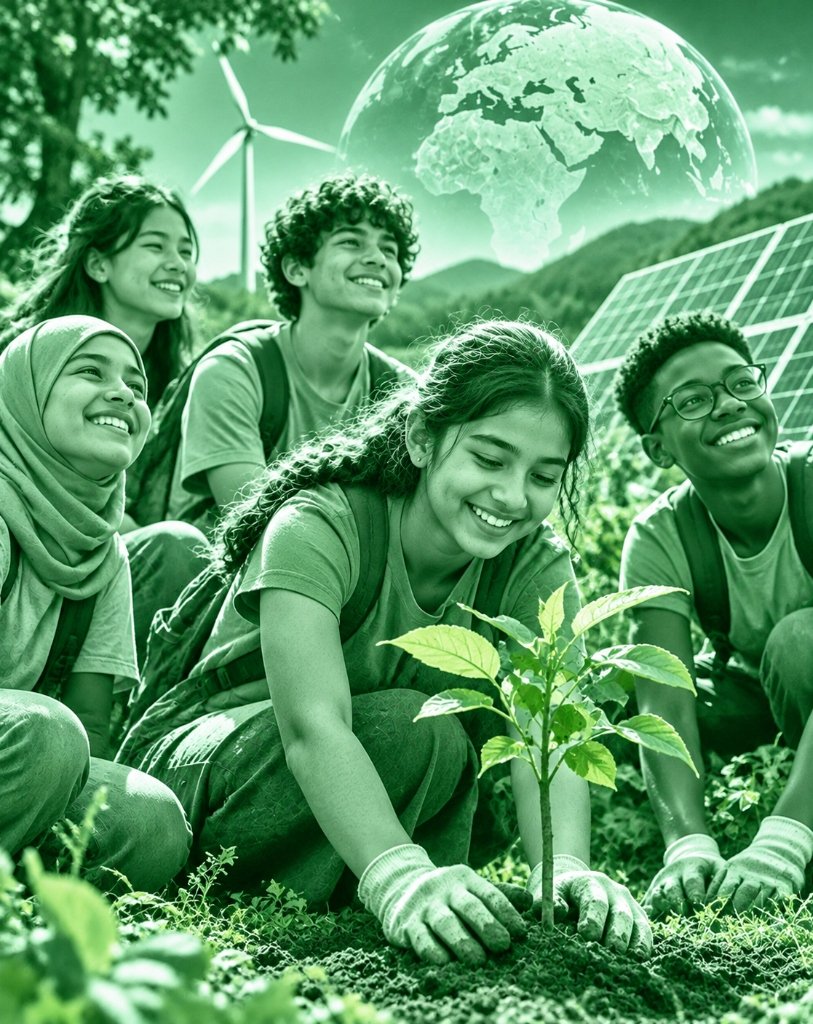
ESD & Climate Action for Sustainability
Positioning education as the catalyst for ecological resilience, biodiversity conservation, and green campuses.

Teachers, Educators & Pedagogical Transformation
Empowering educators as essential champions of systemic reform through CPD, innovative pedagogy, and wellbeing.

Skills, Employment & Lifelong Learning
Connecting education with green industries, TVET modernization, social entrepreneurship, and future work.

Human Rights, GCED & Youth Leadership
Cultivating ethical global citizens, peace education, human dignity, and youth co-leadership in governance.

Governance, Financing & Global Cooperation
Strengthening institutional, legal, and financial architecture to sustain long-term educational investments.
Five Cross-Cutting Strategic Priorities
Dedicated high-level dialogue tracks examining pressing frontiers that intersect all eight thematic pillars.
Early Childhood & Foundational Learning
Examining equitable access to pre-primary education, foundational numeracy and literacy, teacher preparation, and the findings of the UNESCO GEM Report 2026.
Education in the Age of AI
Balancing AI-driven adaptive learning with human-centred pedagogy, learner data protection, academic integrity, and safeguarding the educator's irreplaceable role.
Greening Education Systems
Systemic institutional integration aligning curricula, campus infrastructure, energy efficiency, and community partnerships with the UNESCO Greening Education Partnership.
Children & Future Generations
Positioning children and young people not merely as passive recipients of schooling, but as co-architects of sustainable societies and education governance.
Global Citizenship & Human Rights
Advancing SDG Target 4.7 through education that nurtures human dignity, intercultural understanding, conflict resolution, and shared global stewardship.
Two-Day High-Level Agenda at UNCC Bangkok
A dynamic blend of ministerial policy dialogues, expert panel discussions, academic research presentations, institutional showcases, and participatory youth assemblies.
DAY 1 • 3 MARCH 2027
SUB-THEME: EDUCATION BEYOND 2030: GLOBAL PRIORITIES, ACCESS AND EQUITY
Delegate Registration, Security Clearance & Welcome Networking
Registration desk open at UNCC Bangkok. Collection of diplomatic credentials, conference dossiers, and morning reception.
Inaugural Plenary & Ceremonial Opening
Opening remarks by the Sustainable Development Council (SDC) leadership, invited international dignitaries, UNESCO & UN representatives on the urgent road beyond 2030.
High-Level Ministerial & Leadership Dialogue
"What Should Education Look Like Beyond 2030?" Ministers of Education, multilateral agency heads, and university leaders debate post-2030 institutional priorities.
Official Networking Luncheon & Bilateral Dialogue
Delegates and researchers gather for bilateral exchanges and partnership discussions at the UNCC Banquet Hall.
Thematic Panel Discussions: Access, Equity & Early Learning
Focusing on Pillar 1 (Future of Education) and Pillar 2 (Inclusive Education & Foundational Learning). Special analysis of the UNESCO GEM Report 2026.
Expert Working Sessions & Thematic Breakouts
Interactive stakeholder working groups on early childhood education, teacher wellbeing, inclusive disability frameworks, and rural learning solutions.
DAY 2 • 4 MARCH 2027
SUB-THEME: TRANSFORMING EDUCATION: INNOVATION, SUSTAINABILITY AND ACTION
Morning Keynote & Thematic Plenary: Responsible AI & Digital Futures
Focusing on Pillar 3 (Digital Transformation, AI & Innovation). Examining human-centered AI, learner privacy, and ethical frameworks in education.
Thematic Panel: Education for Sustainable Development & Green Skills
Focusing on Pillar 4 (ESD & Climate Action) and Pillar 6 (Skills & Green Economy). Greening campuses, curriculum transformation, and youth employability.
Institutional Best Practices Showcase & Luncheon
Presentations by pioneer schools, universities, and EdTech social enterprises demonstrating replicable sustainability models.
Youth & Future Leaders Dialogue
Dedicated youth-led assembly: students, young educators, and youth activists present their direct policy recommendations for education beyond 2030.
Education Innovation & Partnership Forum
Structured collaborative matchmaking session connecting institutions, philanthropies, EdTech innovators, and civil society partners.
Closing Plenary: Adoption of Bangkok Recommendations & Declaration
Formal presentation and voluntary endorsement of the Bangkok Declaration on Education Beyond 2030, institutional commitments, and valedictory address.
Participate in GCESF 2027
Select your participation pathway to join delegates from over 50 countries at UNCC Bangkok.
Professional Delegate
Educators, policymakers, researchers, and NGO leaders.
- Full 2-day access to all plenaries
- UNCC delegate kit & security clearance
- Networking luncheons & coffee receptions
- Official Certificate of Participation
- Digital Conference Proceedings
Institutional Delegation
Schools, colleges, universities, and ministries (3+ delegates).
- Group credentialing & priority seating
- Institutional recognition in program guide
- Access to Green Learning Institutions Network
- Institutional participation memento
- All delegate passes & conference kits
Youth / Student Delegate
Enrolled university students and youth under 25.
- Dedicated seat in Youth Leaders Assembly
- Full 2-day conference access
- Youth for Education 2030 network access
- Official Certificate of Participation
- Mentorship & networking opportunities
Rooted in Global Frameworks & Commitments
GCESF 2027 builds on international mandates established by the United Nations, UNESCO, and global human rights treaties.
 United Nations Frameworks
- UN 2030 Agenda for Sustainable Development
- Sustainable Development Goal 4 (SDG 4: Quality Education)
- SDG Target 4.7: ESD and Global Citizenship
- United Nations Pact for the Future (2024)
- Conventions on the Rights of the Child (CRC) & Persons with Disabilities (CRPD)
UNESCO Frameworks & Initiatives
- Education 2030: Incheon Declaration & Framework for Action
- UNESCO Global Education Monitoring (GEM) Report 2026
- UNESCO Greening Education Partnership
- Tashkent Declaration on Early Childhood Care & Education
- Education for Sustainable Development: ESD for 2030
Who Should Attend GCESF 2027
A cross-sectoral gathering of 250–300 international stakeholders representing the full global education ecosystem.
Governments & Ministries
Ministers of Education, directorates of curriculum, education planners, and national statistical bodies shaping post-2030 policies.
United Nations System
Representatives and technical specialists from UN agencies, regional commissions, and international development bodies.
Academia & Research
University chancellors, deans, research scholars, and teacher education faculty presenting empirical evidence and innovative pedagogies.
School Leaders & Educators
Principals, school heads, master teachers, and educator unions pioneering inclusive classrooms, green campuses, and foundational literacy.
Civil Society & NGOs
Education advocacy groups, disability inclusion activists, non-profit organizations, and grassroots community learning initiatives.
EdTech & Private Sector
Responsible technology providers, AI developers, publishing houses, and corporate sustainability leaders driving digital equity.
Development & Philanthropy
Multilateral development banks, philanthropic foundations, donor funds, and impact investors catalyzing education finance.
Youth & Student Leaders
Youth delegates, university students, and child advocates co-creating the next generation of learning systems.

United Nations Conference Centre (UNCC), Bangkok, Thailand
Situated in the historic heart of Bangkok on Rajdamnern Nok Avenue, the UNCC is one of the premier diplomatic conference venues in the Asia-Pacific region, equipped with state-of-the-art multilingual interpretation, high-security protocol, and full accessibility.
 Host Organiser
Sustainable Development Council (SDC)
The Sustainable Development Council is an international non-profit organisation holding Special Consultative Status with the United Nations Economic and Social Council (ECOSOC) since 2021. SDC works globally to advance the Sustainable Development Goals through multi-stakeholder partnerships, educational innovation, youth leadership, and international diplomatic dialogue.
Institutional Disclaimer: All external participation and association will be subject to respective institutional approval. GCESF 2027 is an independently convened SDC initiative and will not be represented as a UN- or UNESCO-organised event without formal authorization.
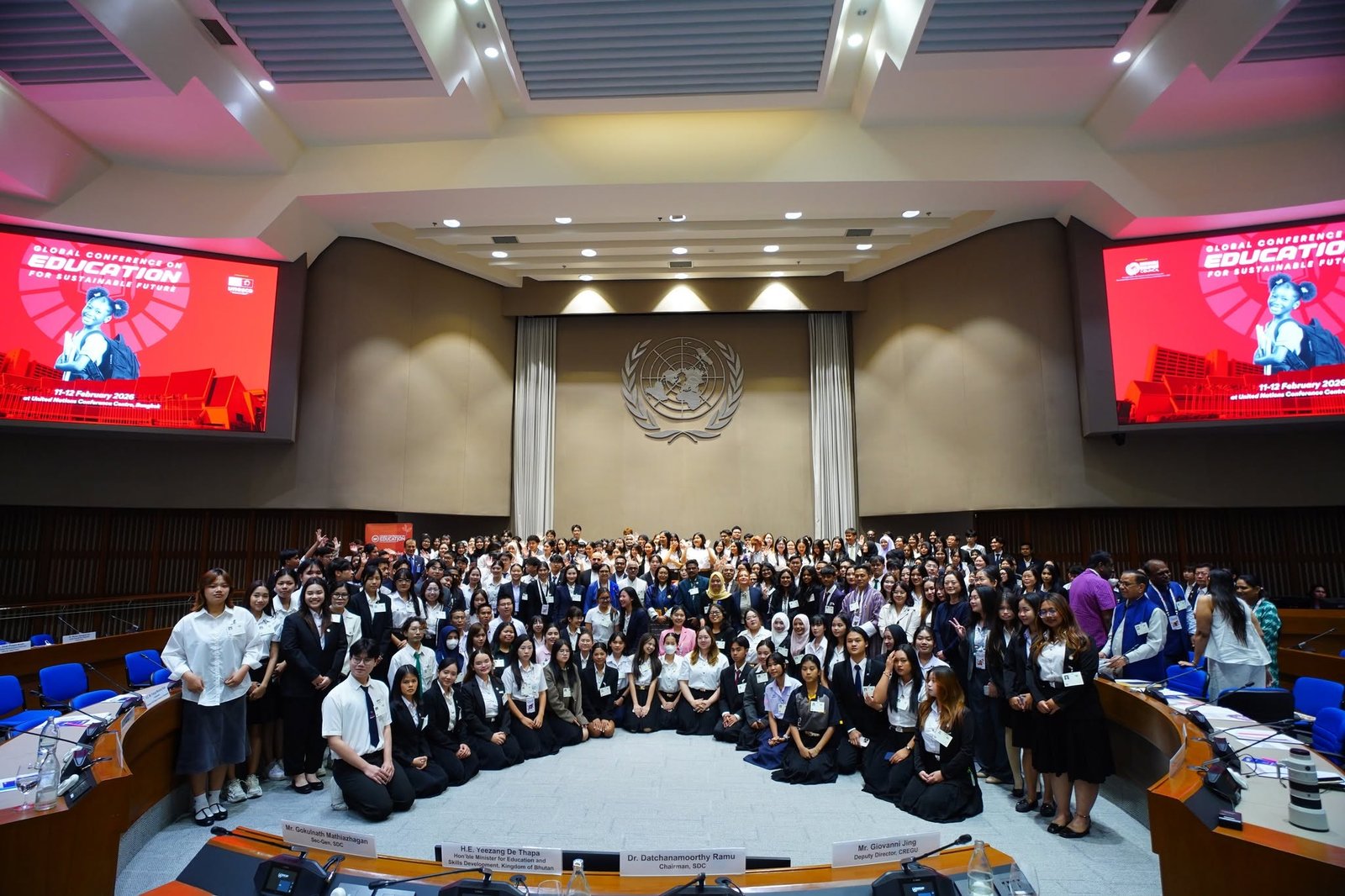
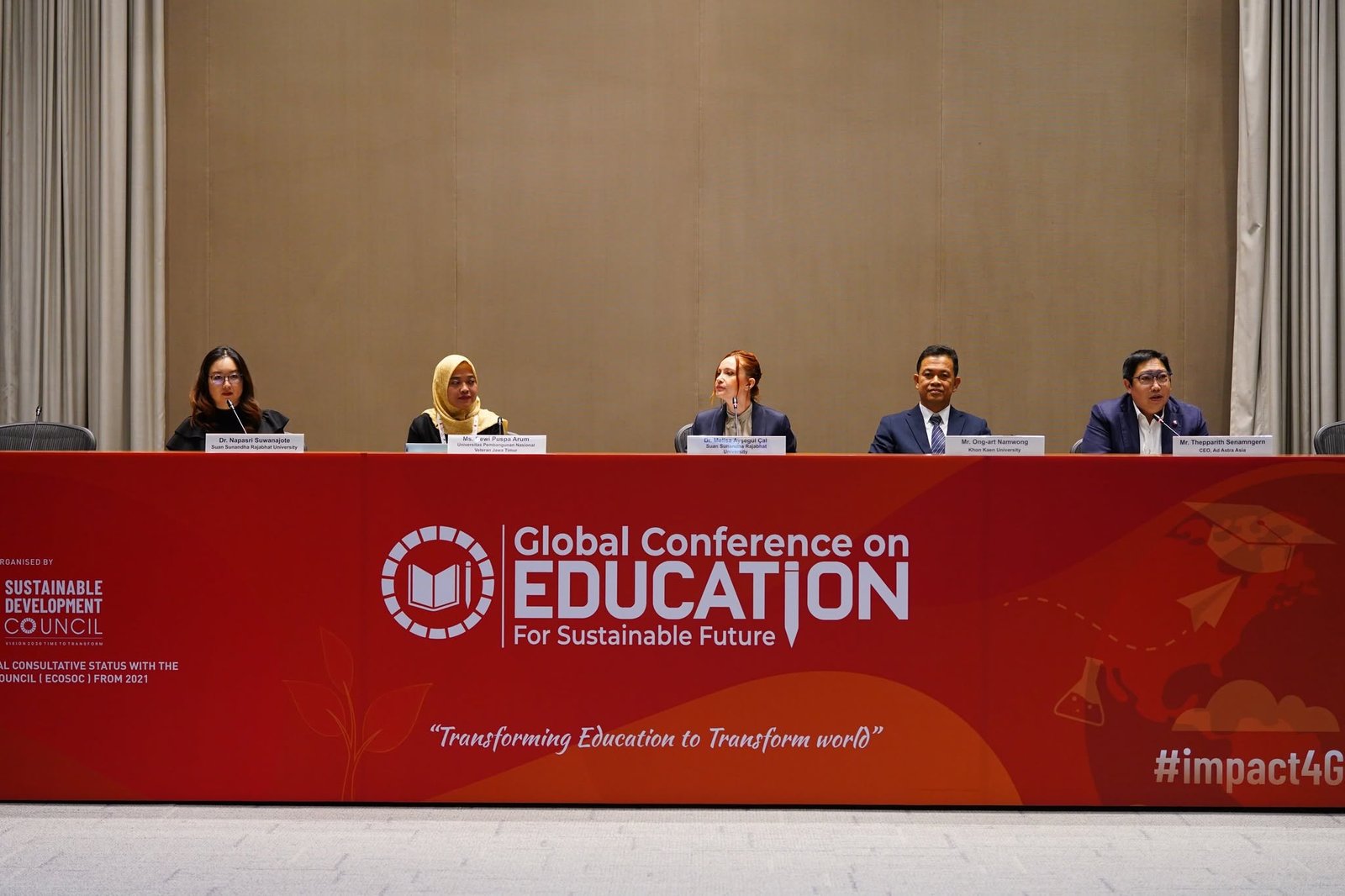
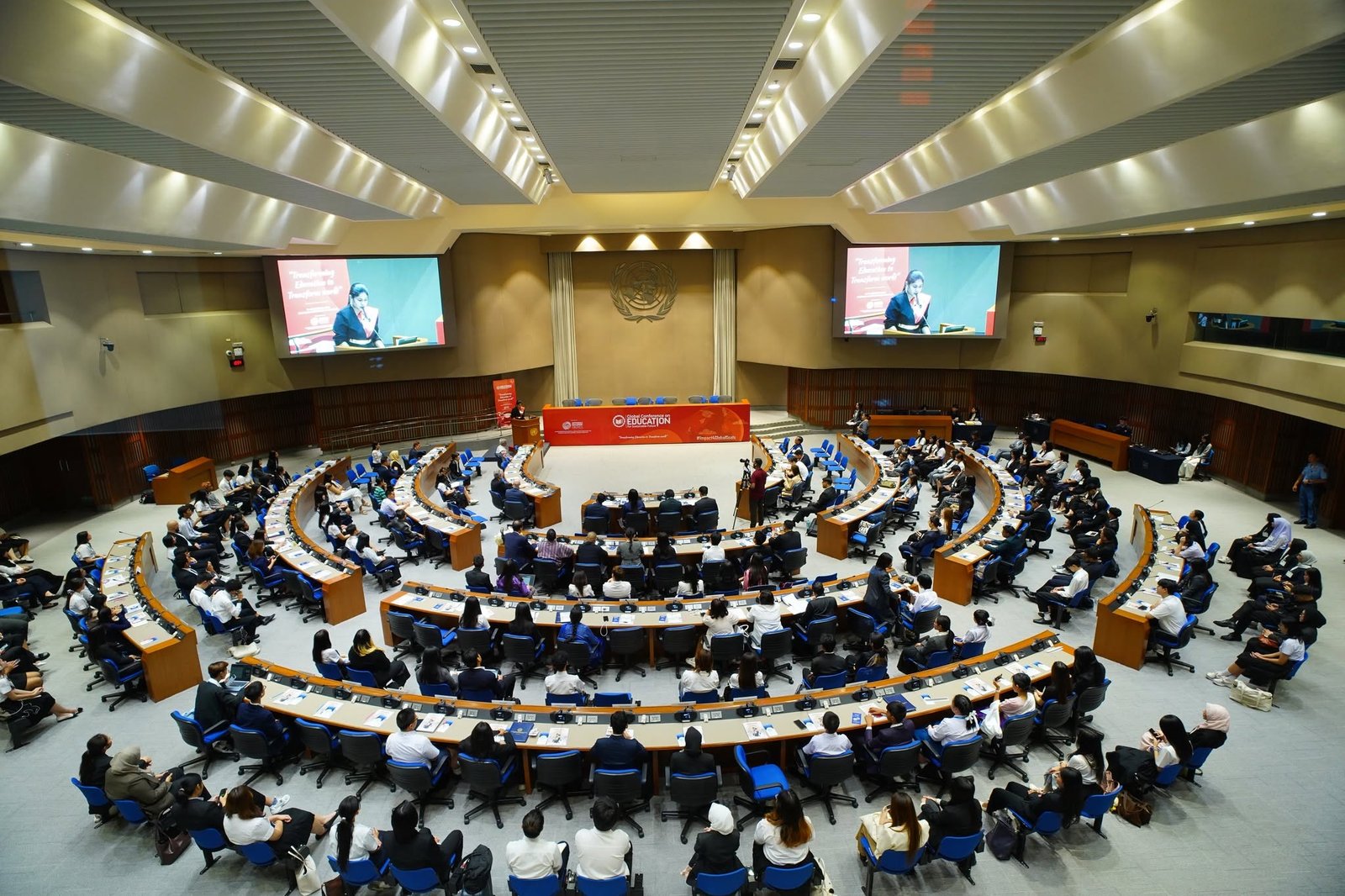
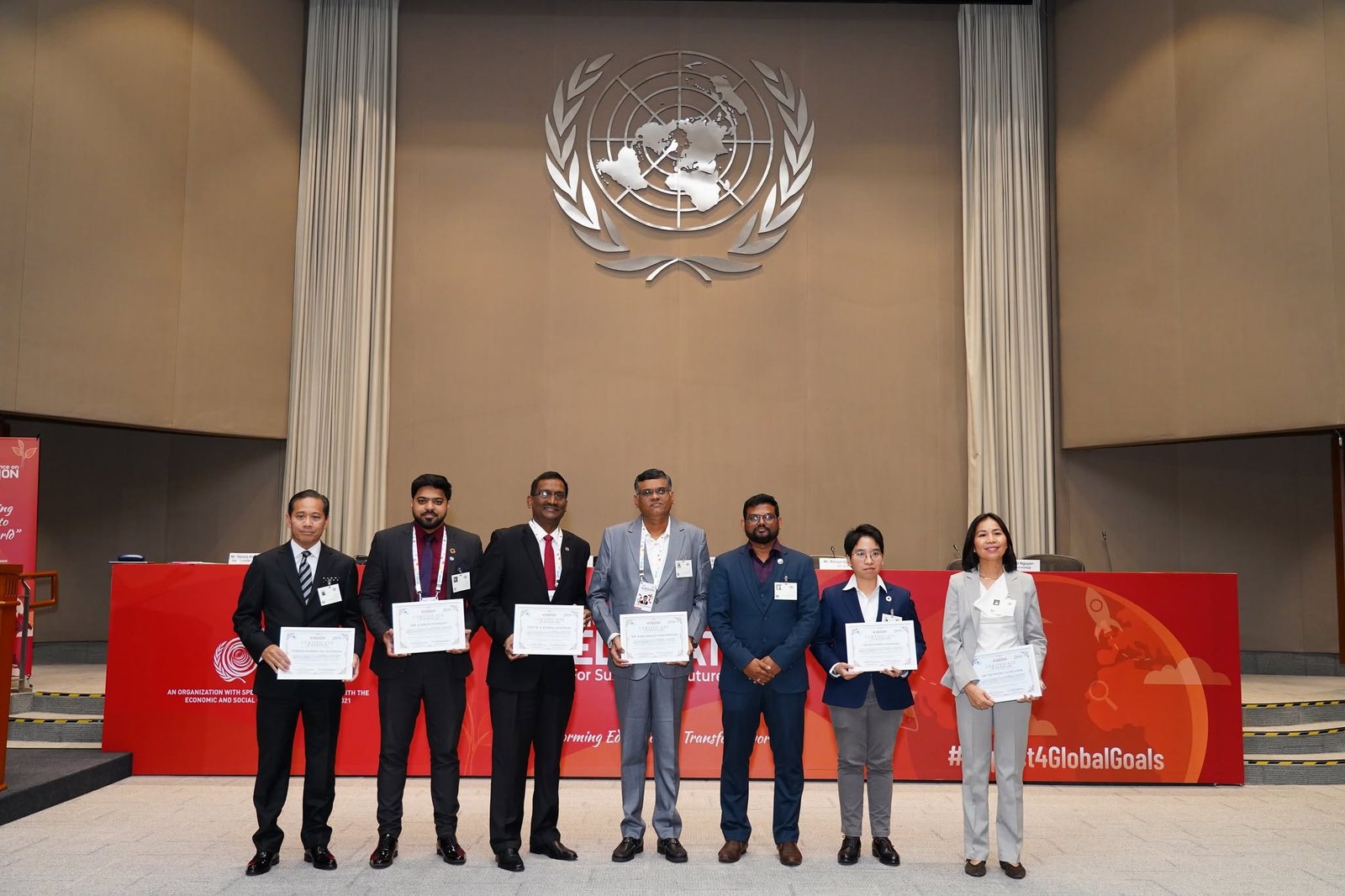
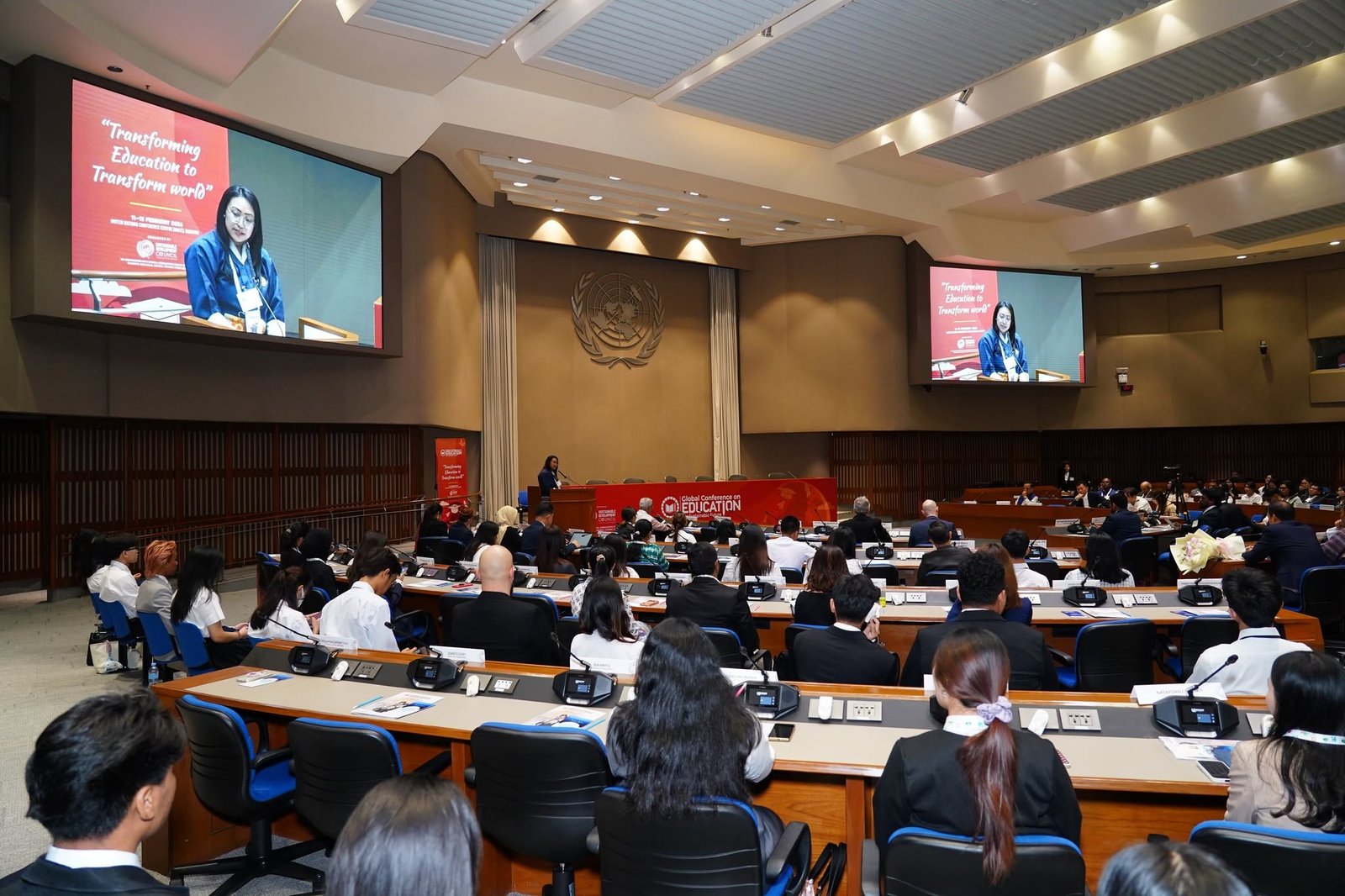
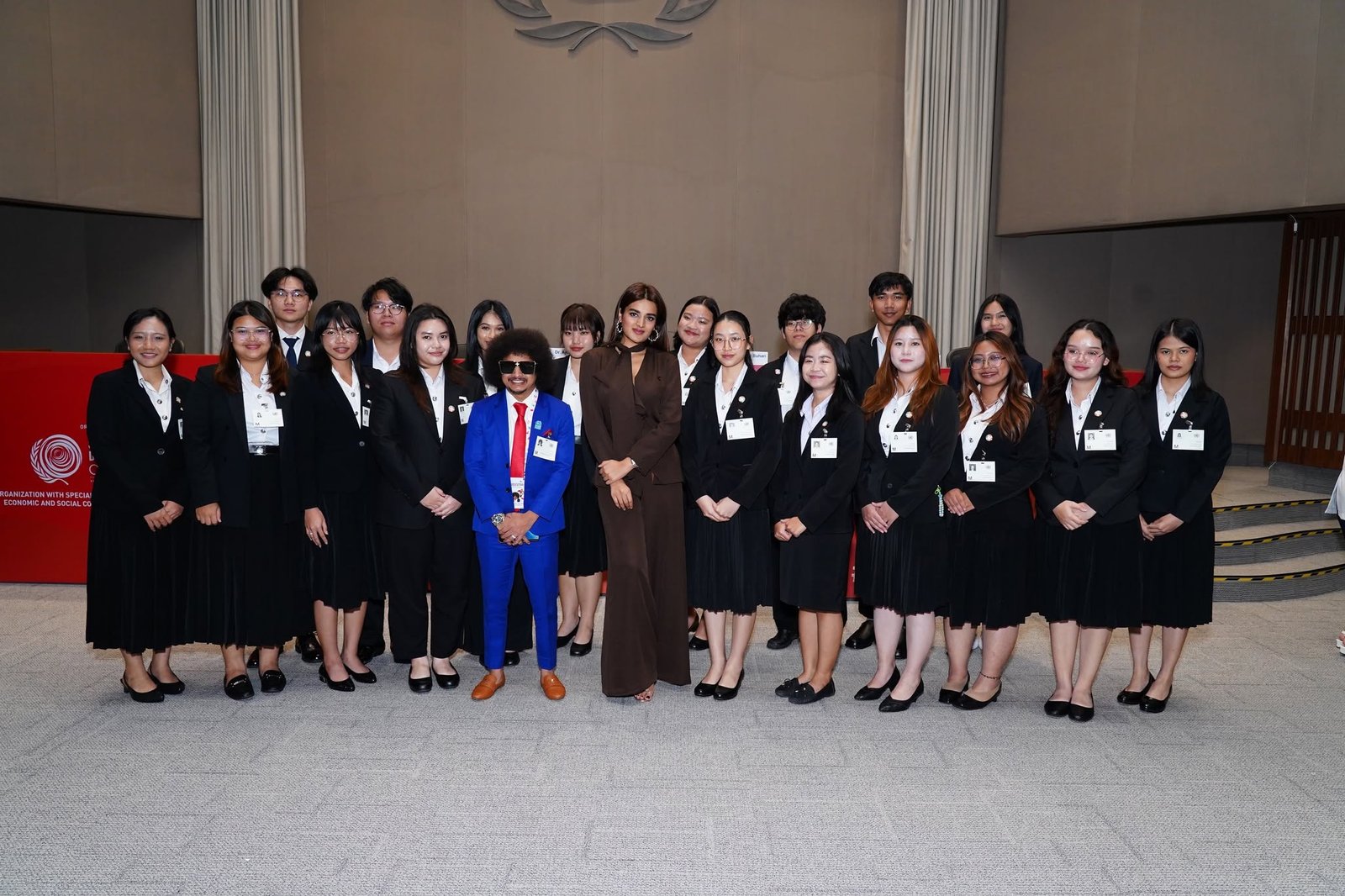
Conference Photo Highlights
Moments of diplomatic dialogue, academic presentations, youth engagement, and institutional partnerships from our international assemblies.
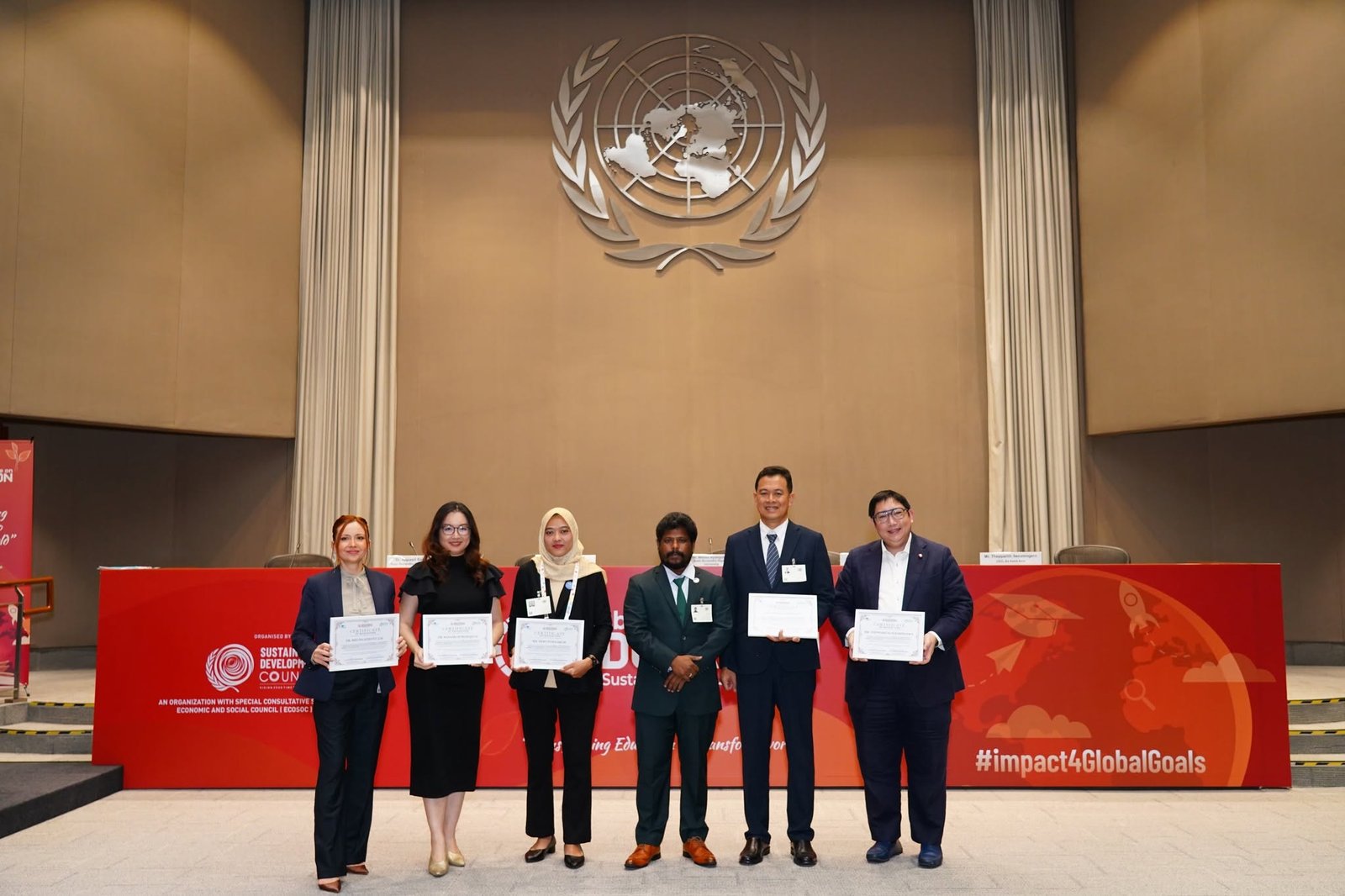
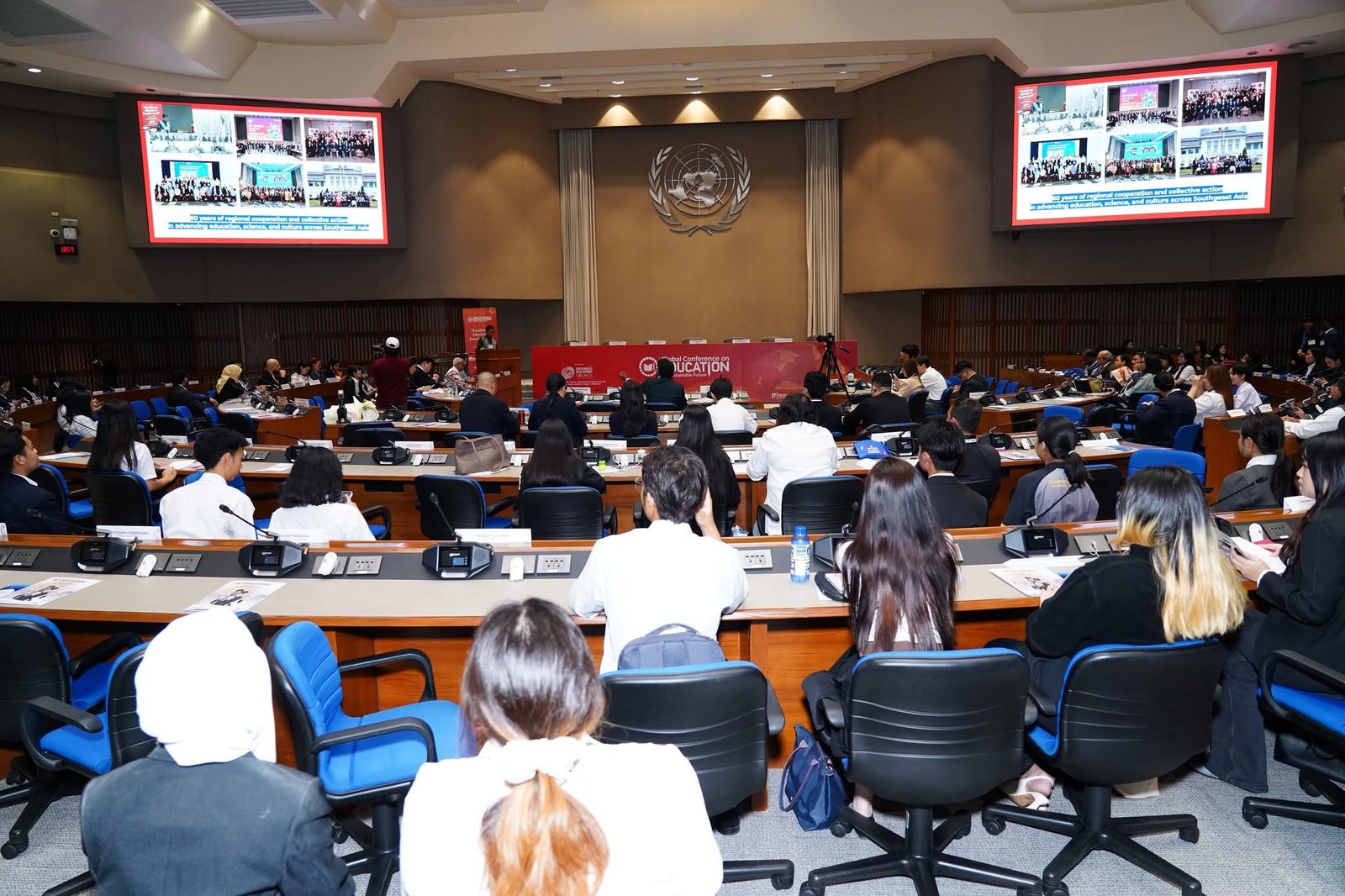
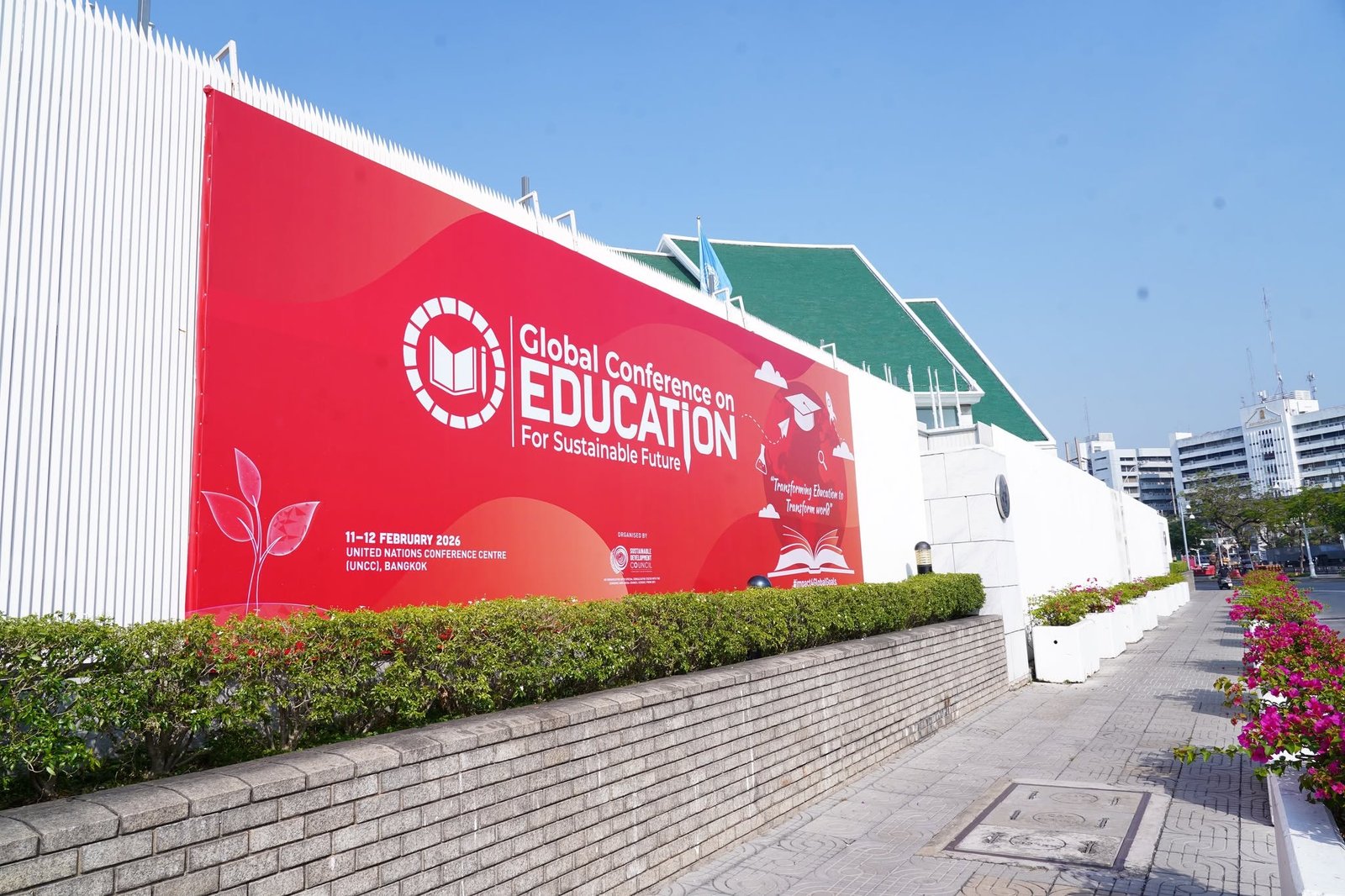
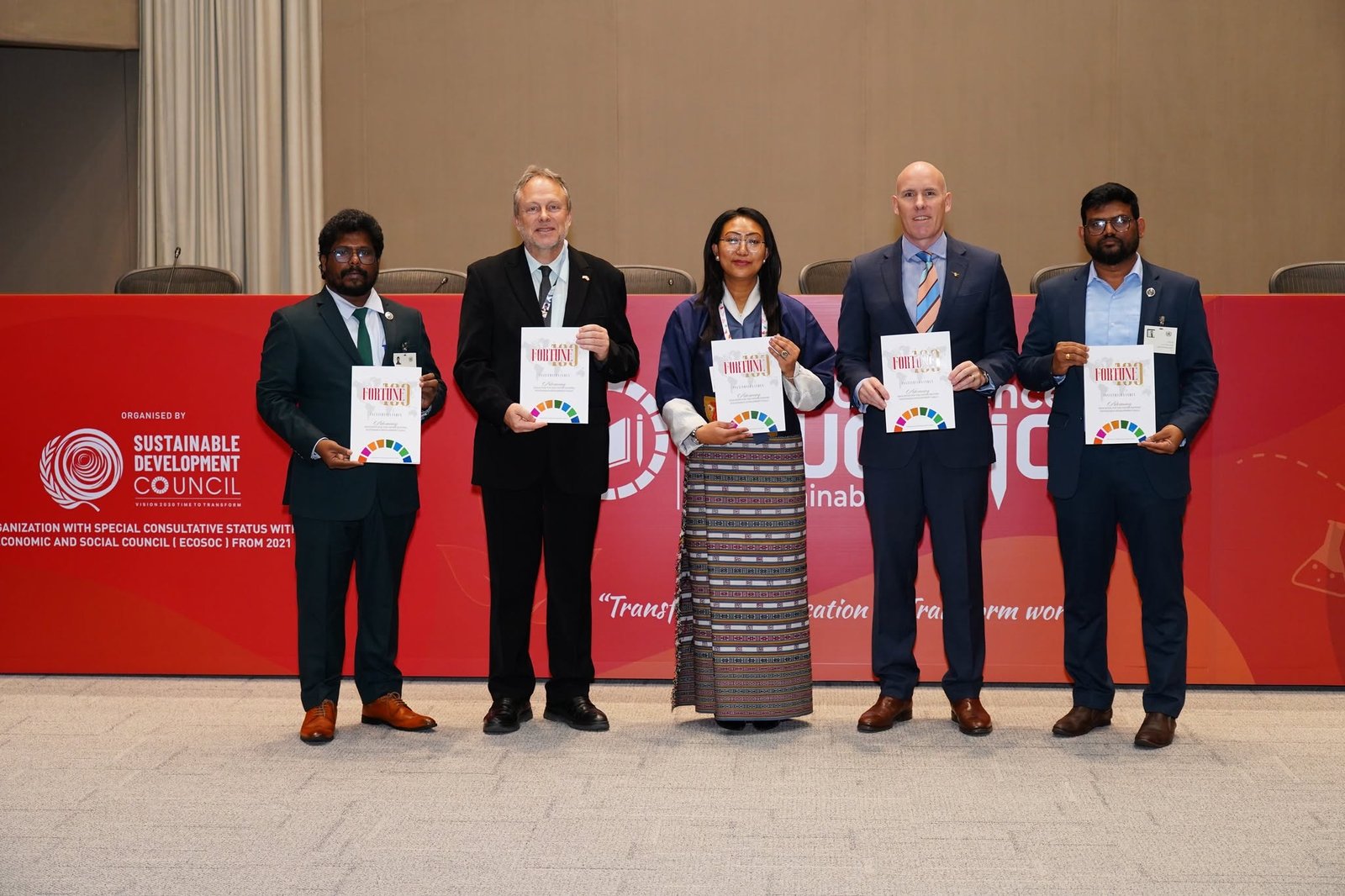
Making Education Beyond 2030 a Reality
"2030 is not the finish line. It is a point of transition towards a more ambitious educational future. Let's rethink education. Let's strengthen learning. Let's empower generations. Let's build a sustainable future together."