SDG 4 GCESF 2027
Official Conference Report • First Edition Archive (2026)
Doc Ref: UNCC-BKK/GEC2026/FIN-REP

Global Education Conference for Sustainable Future 2026

A high-level multilateral synthesis on transforming education systems, empowering youth leadership, and accelerating the 2030 Agenda for Sustainable Development.

Organised By
Sustainable Development Council (SDC) UN ECOSOC Special Consultative Status
In Association With
Youth Education Research Center for UNESCO (CREGU)
Summit Venue
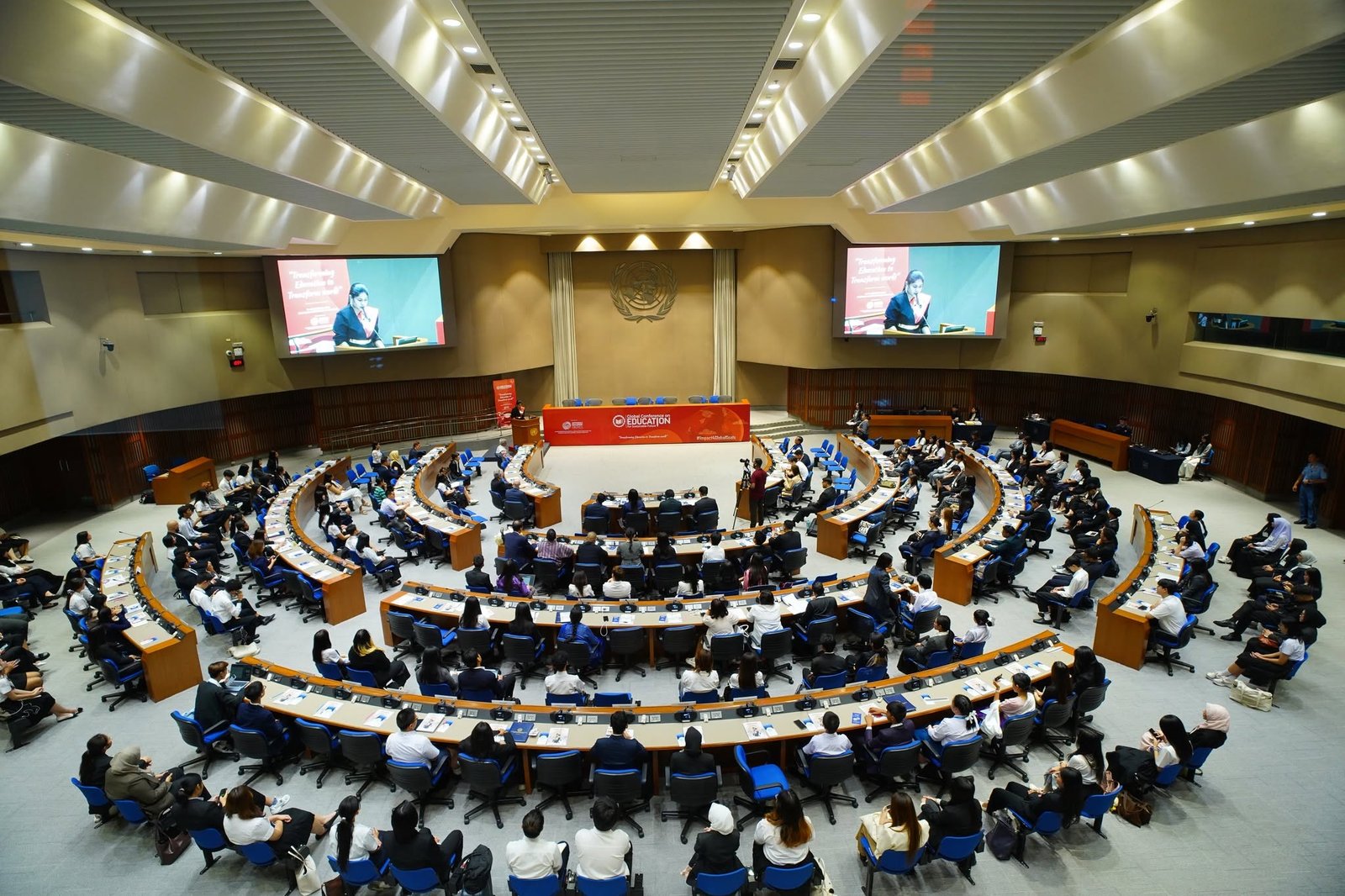
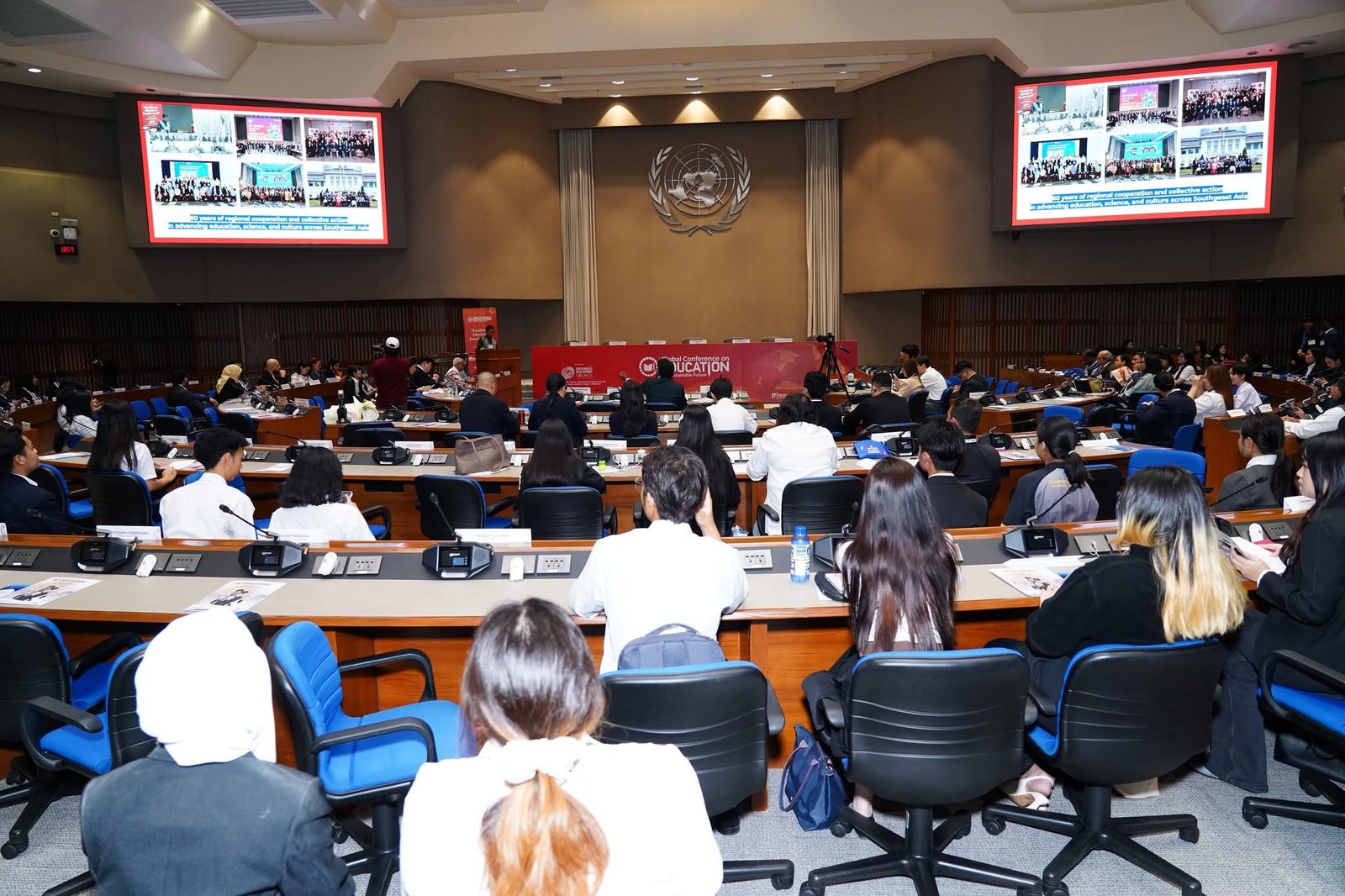
United Nations Conference Centre (UNCC), Bangkok
Dates Convened
11–12 February 2026
23
Participating Countries
58
Academic & Research Institutions
17
National & Multilateral Organisations
4
Thematic Technical Sessions
1
Bilateral Institutional MoU
1
Fortune 100 Index Unveiled
Executive Summary United Nations Conference Centre • Bangkok, Thailand

Deliberating on Transformative, Resilient, and Future-Ready Education Systems

The Global Education Conference for Sustainable Future 2026 (GEC 2026) convened global educators, policymakers, youth leaders, researchers, and development practitioners at the United Nations Conference Centre (UNCC), Bangkok. The conference was organised by the Sustainable Development Council (SDC) in association with the Youth Education Research Center for UNESCO (CREGU).

The conference served as a high-level multi-stakeholder platform to deliberate on transformative education systems aligned with the Sustainable Development Goals (SDGs), particularly SDG 4 (Quality Education), SDG 5 (Gender Equality), SDG 13 (Climate Action), and SDG 16 (Peace, Justice and Strong Institutions). The event brought together distinguished speakers, academic institutions, UN representatives, and youth delegates from multiple countries, fostering actionable dialogue toward building resilient, inclusive, and future-ready education systems.

Core SDG Alignment: SDG 4 Quality Education SDG 5 Gender Equality SDG 13 Climate Action SDG 16 Peace & Institutions
Institutional Conveners

About the Organising Institutions

Convened through an international partnership connecting United Nations consultative frameworks with global research excellence.

Sustainable Development Council

Special Consultative Status with UN ECOSOC

The Sustainable Development Council (SDC) is an international organisation with Special Consultative Status with the United Nations Economic and Social Council (ECOSOC) since 2021. It works across sustainable development, youth empowerment, education reform, and policy advocacy, facilitating global dialogue platforms that connect academia, governance, and civil society.

Youth Education Research Center for UNESCO (CREGU)

Centro Di Ricerca Sull'Educazione Dei Giovani

The Youth Education Research Center for UNESCO (CREGU) is a research and policy platform advancing innovation in education, youth participation, and global citizenship aligned with UNESCO’s frameworks for Education for Sustainable Development (ESD).

Strategic Intent

Five Core Objectives of the Conference

Strategically designed to serve as a high-level, multi-stakeholder platform advancing systemic transformation in education aligned with the 2030 Agenda.

01
SDG 4 Framework

Examine Global Education Reforms in Context of the 2030 Agenda

Critically assess ongoing global education reforms through the lens of SDG 4 (Quality Education). Discussions evaluated policy alignment, governance mechanisms, financing models, and accountability frameworks necessary to ensure inclusive, equitable, and quality education for all.

  • Comparative analysis of national education strategies
  • Integrating sustainability, digital transformation & skills
  • Identifying scalable models to accelerate SDG implementation
02
Youth Agency

Strengthen Youth Leadership in Shaping Sustainable Education

Recognizing youth as key stakeholders rather than passive beneficiaries, the conference prioritized youth participation in decision-making processes related to education policy and reform.

  • Amplify youth-led initiatives in climate education and civic literacy
  • Encourage intergenerational dialogue between policymakers and youth
  • Embed youth representation within institutional governance structures
03
Cross-Sectoral

Promote Interdisciplinary Climate Education & Digital Transformation

Advancing interdisciplinary frameworks that integrate climate literacy, Artificial Intelligence, skills development for future economies, and ethical, human rights-based approaches to technology.

  • Climate literacy and environmental sustainability in curricula
  • Responsible AI, digital governance, and privacy safeguards
  • Preparing learners for global citizenship in era of disruption
04
SDG 17 Alliances

Foster Partnerships Between Governments, Universities & UN

Operationalizing multi-stakeholder collaboration as a core driver of systemic reform. By convening ministers, ambassadors, university deans, and private sector innovators, creating a platform for structured cooperation.

  • Strengthening regional and international academic networks
  • Encouraging public-private partnerships in digital education
  • Formalizing cooperation through Memoranda of Understanding (MoUs)
05
Actionable Policy

Produce Actionable Policy Recommendations for Sustainable Development

Generating actionable policy insights and strategic recommendations grounded in global development frameworks to inform national policy reforms and international cooperation efforts.

  • Education financing models, equity, and resource mobilization
  • Digital transformation governance and inclusive education
  • Lifelong learning frameworks and institutional monitoring
Delegation Profile 23 Countries • 58 Academic Bodies • 17 Organisations

Participation Overview & Global Representation

The Global Education Conference for Sustainable Future 2026 convened representatives from 23 countries, bringing together a diverse and high-level delegation that reflected the truly international character of the platform. The conference engaged participants from 58 academic and research institutions, including universities, policy think tanks, and specialized education centers, alongside 17 national and international organizations, spanning multilateral bodies, civil society networks, private sector entities, and youth-led platforms.

The presence of diplomatic missions, senior government officials, and UN-linked institutions further elevated the conference’s strategic significance, reinforcing education as a central pillar of sustainable development, social equity, and global peacebuilding.

Cross-Regional Policy Learning

Facilitated comparative policy benchmarking across Nordic, Southeast Asian, South Asian, European, and Middle Eastern educational systems.

South–South & North–South Ties

Strengthened multilateral knowledge transfers between emerging economies, mature welfare education models, and developing island states.

Academic–Industry Linkages

Bridged technology developers, blockchain academies, and public universities on digital transformation and emerging workforce skills.

Multi-Stakeholder Acceleration

Coordinated action between ministries, diplomatic missions, and youth coalitions to accelerate progress toward SDG 4 targets.

Participating Member States & Delegations:
🇹🇭 Thailand (Host) 🇧🇹 Bhutan 🇧🇪 Belgium 🇦🇺 Australia 🇲🇾 Malaysia 🇫🇮 Finland 🇮🇳 India 🇮🇩 Indonesia 🇦🇪 United Arab Emirates 🇮🇹 Italy 🇺🇸 United States 🇬🇧 United Kingdom 🇸🇬 Singapore 🇵🇭 Philippines 🇻🇳 Vietnam 🇯🇵 Japan 🇰🇷 South Korea 🇳🇵 Nepal 🇱🇰 Sri Lanka 🇧🇩 Bangladesh 🇳🇿 New Zealand 🇨🇦 Canada 🇫🇷 France
Summit Proceedings

Programme Highlights & Key Addresses

Interactive synthesis of high-level ministerial remarks, diplomatic interventions, keynote papers, and child advocate perspectives.

Opening Address Day 1 Opening

Dr. Datchanamoorthy Ramu

Founder Chairman, Sustainable Development Council (SDC)

Called for urgent systemic transformation of global education systems, emphasizing the integration of the SDGs into curricula, governance, and policy frameworks, and advocating for youth participation, competency-based learning, and strengthened global partnerships to address climate change, inequality, and technological disruption.

Chief Guest Address 🇧🇹 Bhutan

H.E. Yeezang De Thapa

Hon’ble Minister for Education and Skills Development, Bhutan

Highlighted the importance of regionally coordinated yet context-sensitive reforms, values-based education, skills alignment with emerging economic trends, and inclusive access for marginalized communities.

Diplomatic Address 🇧🇪 Belgium

H.E. Mr. Michel Parys

Ambassador of the Kingdom of Belgium to Thailand

Underscored international cooperation, academic mobility, and research collaboration as drivers of equitable and future-ready education, stressing education’s role in promoting democratic values and social cohesion.

UN / Diplomatic 🇦🇺 Australia / ESCAP

Mr. Andrew Egan

Minister & Deputy Head of Mission, Permanent Representative of Australia to ESCAP

Emphasized the strategic role of education in economic resilience and regional stability, advocating investment in digital infrastructure, teacher capacity, and governance frameworks to ensure that technological transformation advances equity and sustainable development.

Day 2 Opening Plenary 🇲🇾 Malaysia

Datuk P. Kamalanathan

Former Deputy Minister for Education, Malaysia

Emphasized the importance of policy continuity, governance reform, and political commitment in driving long-term education transformation. Drawing from ministerial experience, he highlighted curriculum modernization, teacher capacity enhancement, and public–private collaboration as essential pillars.

Diplomatic Address 🇫🇮 Finland

H.E. Ms. Kristiina Kuvaja-Xanthopoulos

Ambassador of the Republic of Finland to Thailand

Shared insights from Finland’s globally recognized education model, underscoring equity, teacher autonomy, research-based pedagogy, and student-centered learning. She emphasized trust-based governance, inclusive access, and pedagogical innovation as fundamental to building resilient societies.

Policy Address 🇹🇭 Thailand

Mr. Suchatvee Suwansawat

Leader of the Thai Kao Mai Party

Addressed the intersection of education policy and national development, stressing the need for structural reforms that align education outcomes with economic competitiveness, innovation ecosystems, and strategic investment in digital infrastructure.

Major Publication Launch Global Benchmark

Fortune 100 Institutions Index 2026

Unveiled by the Hon’ble Minister & Distinguished Ambassadors

A benchmark framework highlighting institutions demonstrating outstanding performance in governance, academic quality, sustainability integration, digital advancement, and social impact. The release underscored the importance of data-driven evaluation in aligning institutional strategies with the SDGs.

Basic Education Commission 🇹🇭 Thailand

Dr. Phichet Phophakdee (Delivered by Representative)

Secretary-General of the Basic Education Commission, Thailand

Conveyed Thailand’s strong commitment to foundational reforms aligned with SDG 4, improved learning outcomes, enhanced teacher professional development, and expanding equitable access for disadvantaged and rural communities.

High-Level Keynote 🌏 SEAMEO Secretariat

Mr. John Arnold Siena

Deputy Director for Programme & Development, SEAMEO Secretariat

Underscored regional cooperation and policy harmonization across Southeast Asia, highlighting cross-border knowledge exchange, institutional capacity building, and collaborative platforms as critical drivers for digital transformation and skills alignment.

Cultural & Youth Keynote 🇮🇳 India

Miss Nidhhi Agerwal

Indian Actress & Youth Advocate

Emphasized youth empowerment, values-based education, and the powerful influence of culture, creative arts, and media in shaping empathetic, responsible global citizens.

FinTech & Web3 Literacy 🇹🇭 Bitkub Academy

Mr. Kuntanut Vuttithorn

Assistant Digital Asset Analyst Manager, Bitkub Academy

Focused on digital literacy and emerging financial technologies, stressing the importance of equipping students with competencies in digital economies while ensuring ethical governance and equitable access.

Special Child Address 🌱 Intergenerational Justice

Miss Roohi Mohazzab Ghani

Youth Leader and Climate Advocate

Delivered a compelling child address underscoring the urgency of climate action from the perspective of younger generations. Calling for integrating climate compassion and environmental responsibility into mainstream education, she reminded delegates that sustainable development must center intergenerational justice.

Innovation Ecosystems 🇹🇭 David Innovation

Asst. Prof. Dr. David Makarapong

Chief Innovation Officer, David Innovation

Emphasized the critical role of innovation ecosystems in universities, embedding design thinking, research commercialization, and interdisciplinary collaboration to foster creativity, problem-solving capabilities, and entrepreneurial mindsets.

UNESCO Frameworks 🇮🇹 CREGU / Italy

Mr. Giovanni Jing

Deputy Director, Centro Di Ricerca Sull'Educazione Dei Giovani Per L'UNESCO (CREGU)

Underscored global research collaboration and youth-centered education frameworks aligned with UNESCO’s Education for Sustainable Development (ESD), advocating for evidence-based policymaking and international academic partnerships.

Higher Education 🇮🇳 India

Prof. Gauri Dutt Sharma

Vice Chancellor, University of Science & Technology, Meghalaya (USTM)

Emphasized institutional leadership in advancing academic excellence, research-driven solutions, and preparing graduates with both technical expertise and ethical responsibility aligned with global sustainability frameworks.

Valedictory Plenary 🌐 SDC Secretariat

Mr. Gokulnath Mathiyazhagan

Secretary General, Sustainable Development Council (SDC)

Summarized the key outcomes of the two-day summit, highlighting the collective commitment to advancing SDG 4 through systemic reform, digital governance, and youth engagement. Reaffirmed SDC’s commitment to translating dialogue into measurable action across 23 countries.
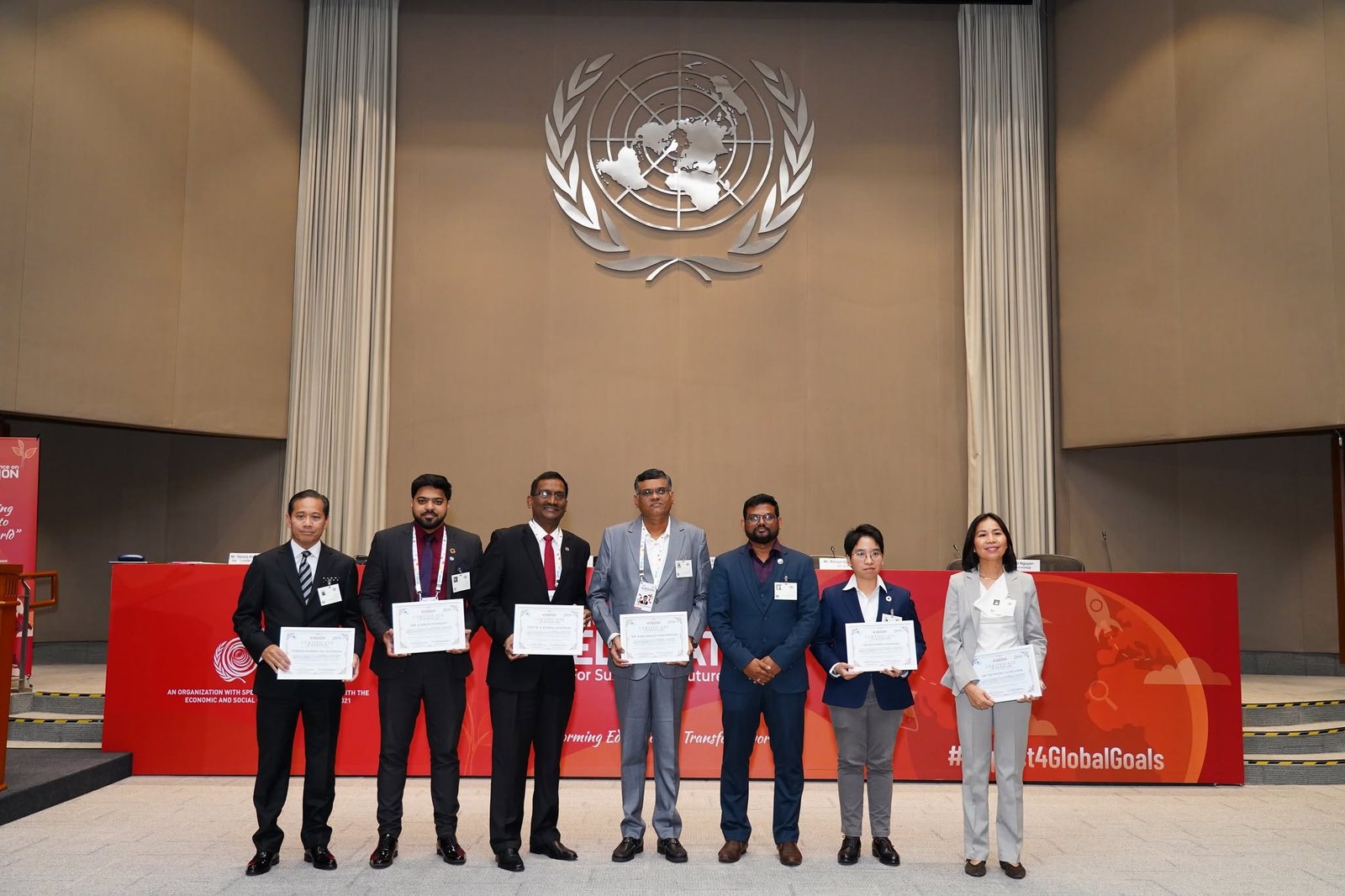
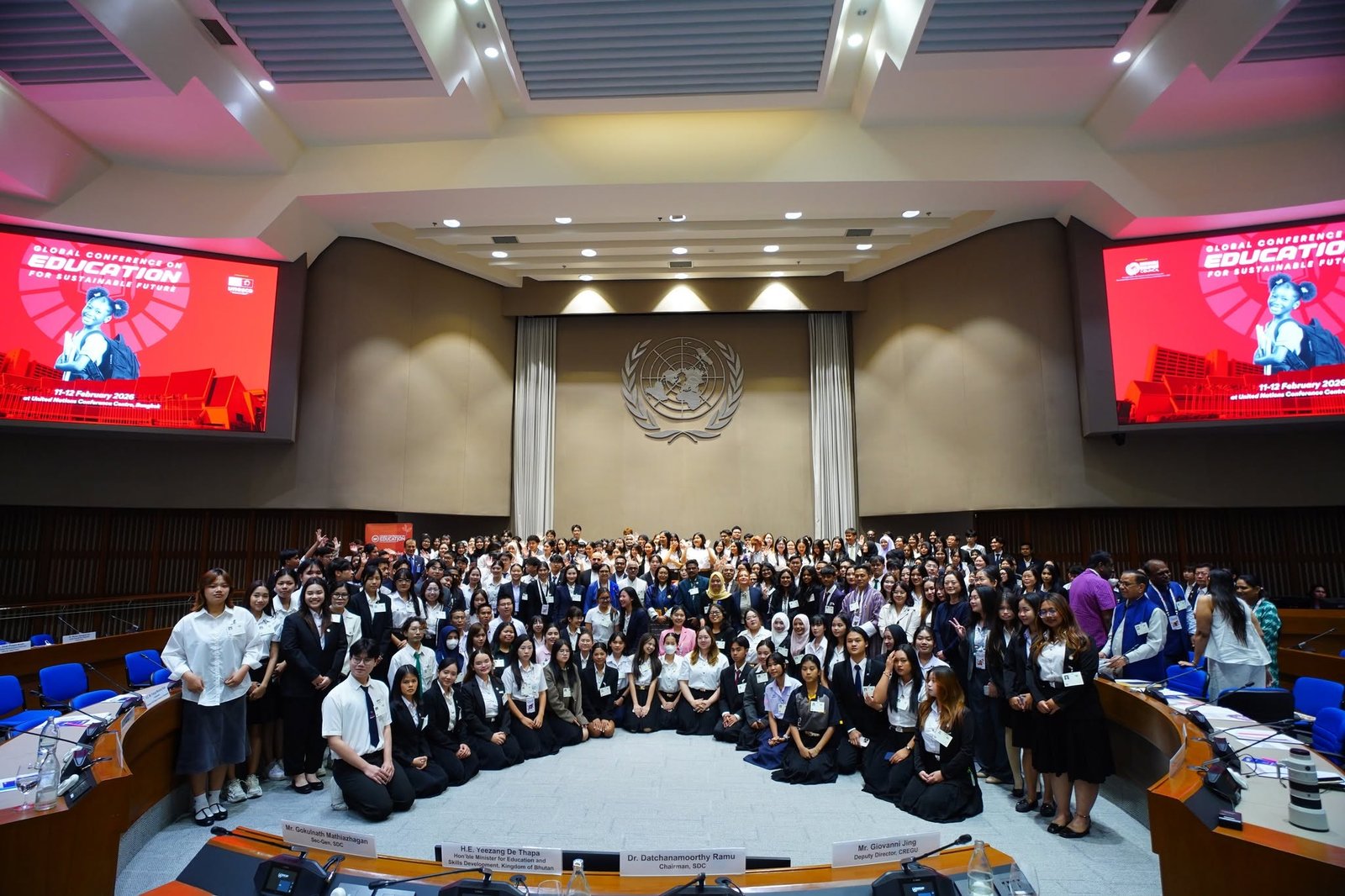
Technical Deliberations

The Four Thematic Technical Sessions

Deep-dive technical panels synthesizing policy frameworks, inclusive financing, green workforce skills, and digital governance.

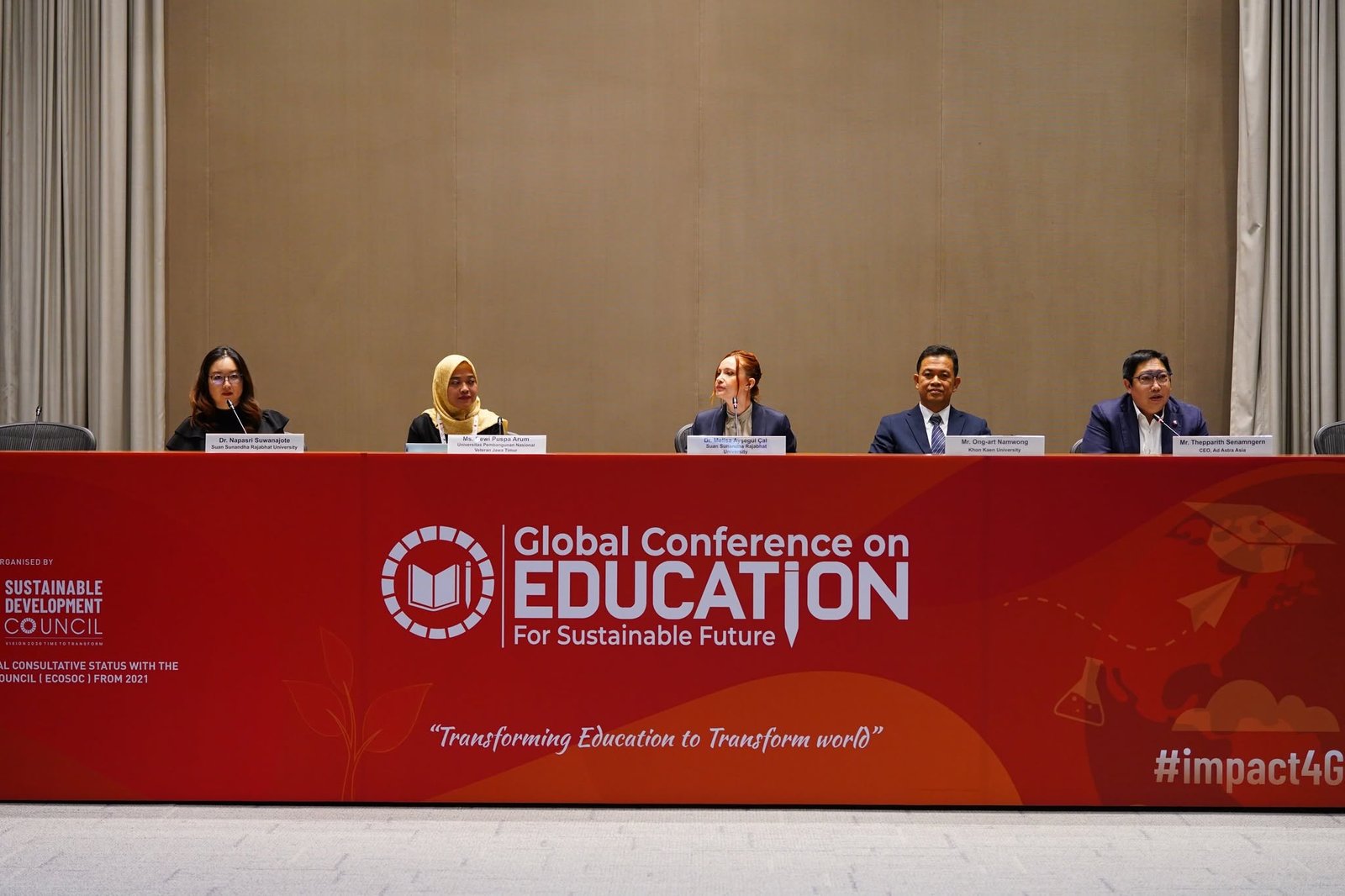
Technical Session 01 Moderator: Dr. Melisa Ayşegül Çal (Suan Sunandha Rajabhat University)

Strengthening Education Systems for the Implementation of Sustainable Development Goal 4

Distinguished Panelists: Mr. Thepparith (Teejay) Senamngern (Ad Astra Asia) Dr. Napasri Suwanajote (Suan Sunandha Rajabhat Univ.) Ms. Dewi Puspa Arum (UPN Veteran Jawa Timur, Indonesia) Dr. Ongart Namwong (Khon Kaen University)

Core Synthesis & Policy Takeaways:

Provided a policy-oriented discussion examining structural challenges within national education systems, including governance gaps, curriculum modernization, teacher capacity development, and equitable access. The panel emphasized innovation-driven education models, academic leadership in higher education, and competency-based teacher training frameworks that enhance learning outcomes and accountability across Southeast Asia.

Technical Session 02 Moderator: Dr. Ajmal Dastagir (Sustainable Development Council)

Inclusive and Equitable Education: Advancing the Principle of Leaving No One Behind

Distinguished Panelists: Ms. Pornpatima Woottisanwattana (Children and Youth Council of Thailand) Ms. Worawan Plikhamin (NESDC Thailand) Mr. Mansoor Ali Khan Abdul Buhari (E DADDY Holding, UAE) Ms. Casey Anne Cruz (KOMUNIDA, Inc.) Dr. Kraiyos Patrawart (Equitable Education Fund - EEF)

Core Synthesis & Policy Takeaways:

Examined structural inequalities within education systems and policy mechanisms required to operationalize "Leaving No One Behind." Addressed equitable financing models, social protection linkages, targeted support for vulnerable children, cross-sectoral planning via macro-policy bodies (NESDC), impact investment from private leaders, and community-based resilience models in disaster-affected settings.

Technical Session 03 Moderator: Mr. Jubran Siddique (Sustainable Development Council)

Future-Ready Education: Skills Development and Lifelong Learning for Sustainable Development

Distinguished Panelists: Datuk P. Kamalanathan (Former Deputy Minister for Education, Malaysia) Mr. Rangarajan Narasimhan (VP – IT ASI & Regional CIO) Ms. Thunyaporn Supakarn (Bitkub Online Co., Ltd.) Dr. Thi Phuoc Lai Nguyen (Dean, Faculty of Public Policy, AIT) Mr. Varavij Kambhu Na Ayudhaya (Former Advisor to Ministry of Education)

Core Synthesis & Policy Takeaways:

Focused on bridging skills gaps, TVET curriculum redesign, and continuous upskilling for green economies and digital hubs. Addressed growing requirements for cybersecurity, digital literacy, interdisciplinary public policy at AIT, and national policy alignment connecting education reform with regional innovation ecosystems.

Technical Session 04 Moderator: Dr. Venkates Rao (Founder, Youth Corps Malaysia)

Digital Transformation in Education: Governance, Equity, and Quality Considerations

Distinguished Panelists: Mr. Parith Thiengtham (Co-founder & CEO, Edsy) Dr. Sarawut Ninsawat (Dean, Faculty of Technology, AIT) Prof. Prisana Kumchai (Khon Kaen University Faculty of Law)

Core Synthesis & Policy Takeaways:

Examined regulatory and ethical dimensions of digital transformation. Scalable EdTech solutions were evaluated alongside AI research applications, while legal scholars underscored learner privacy safeguards, ethical algorithmic governance, and ensuring that digital advances reduce rather than widen equity chasms.

Institutional Milestone

Bilateral Memorandum of Understanding (MoU) Signing Ceremony

The MoU Signing Ceremony marked a significant institutional milestone of the conference, formalizing strategic collaboration between the Sustainable Development Council (SDC) and Suan Sunandha Rajabhat University under the leadership of Dr. Chutikarn Sriviboon, President of the University.

In her remarks, Dr. Sriviboon emphasized university-led innovation, interdisciplinary research, and global partnerships in strengthening higher education systems. The agreement promotes joint research, faculty and student exchange, curriculum integration of the SDGs, and youth leadership initiatives, translating high-level summit dialogue into sustained, measurable academic impact.

SDC × Suan Sunandha Rajabhat University Joint Academic & Research Exchange
MoU Signing Ceremony at UNCC Bangkok
Official Signing Ceremony between SDC Leadership & Dr. Chutikarn Sriviboon, President of SSRU, at UNCC Bangkok
Full Summit Proceedings

Official Live Broadcasts (UNCC Bangkok)

Watch the full unedited plenary proceedings, ministerial keynote addresses, and technical sessions recorded live at the United Nations Conference Centre.

Now Playing: Day 1 Live Stream • Opening Ceremony & High-Level Plenary
Conference Gallery

Visual Archive from UNCC Bangkok

High-resolution photographic documentation of the ministerial inaugurations, technical breakout dialogues, and valedictory proceedings.

Complete Photo Archive Available Online

Browse and download high-resolution photos in the official summit Google Photos repository.

View Gallery Page Open Google Photos Album
Next Edition Announced

Join Us at GCESF 2027: Education Beyond 2030

Building upon the foundations of GEC 2026, the 2nd Edition of the Global Conference on Education for a Sustainable Future will reconvene at the United Nations Conference Centre, Bangkok on 3–4 March 2027.

Pre-Register for GCESF 2027 View Past Speakers Directory